
Chapter 14
“This will likely clear you of the theft,” she said. “But not of everything.”
Thomas looked up. “What else?”
“The Riverside email,” Diane said. “You attempted to shield assets from a creditor. The contractor’s attorneys will have something to say about that. You’ll likely face civil penalties and a settlement that will consume most of what you have left. And you took jewelry from your wife’s safe and gave it to another woman.”
“I’ll return the bracelet,” he muttered.
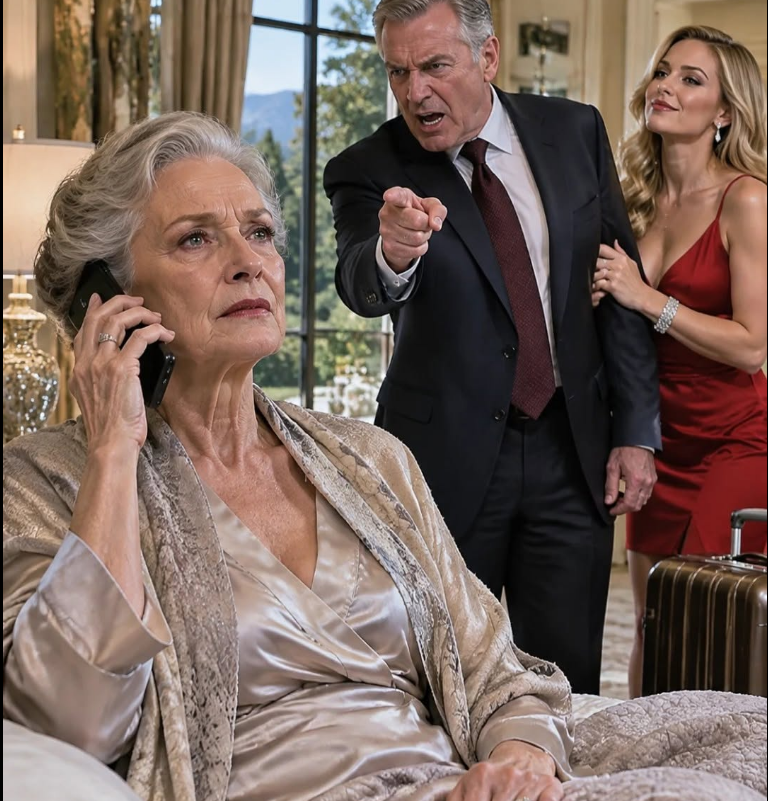
“You can’t,” I said. “Brooke has it.”
At that moment, Ray’s phone buzzed. He read the message and almost smiled.
“Speaking of Brooke,” he said. “She was arrested at the international terminal forty minutes ago. One-way ticket to San José, Costa Rica. Forty thousand in cash in her carry-on.” He glanced at me. “And an emerald-cut diamond bracelet on her wrist.”
I laughed. I couldn’t help it. It was the first real laugh I’d felt in my chest in a month.
By afternoon, Brooke had asked for a deal. She was a survivor, after all. She gave the prosecutors everything: how Harold had recruited her, how he’d paid her, how he’d scripted every move. The seduction. The push for divorce. The guardianship petition. Even the night she’d come to my kitchen with a recording phone hidden in her hoodie.
“Harold told her you were a frail old woman who’d crack in five minutes,” Ray told me later. “Apparently she told the agents that was the worst piece of intelligence she ever received.”
Thomas gave his own statement that evening. It took four hours. Diane said he was cooperative, honest, and, by the end, quietly weeping.
When he came out, I was waiting in the lobby.
He stood in front of me, a broken man in a gray sweater.
“I said you didn’t matter,” he said hoarsely. “I said it to your face.”
“Yes.”
“You saved me anyway.”
“No, Thomas. I told the truth. The truth just happened to help you this time.” I looked at him steadily. “That’s the difference between us. I don’t decide whether someone deserves the truth.”
He nodded slowly, tears running into his stubble. “Is there any chance—”
“No,” I said. Gently, but completely. “There isn’t.”
He accepted it. Maybe that was the first grown-up thing he’d done in years.
The following Sunday, Michael and Jenna came for dinner with their two boys, and for the first time in months, my house was loud. Michael carved the roast. Claire, who had extended her stay indefinitely, argued with him about football. Samuel came over with a pecan pie, and somehow ended up at the old upright piano in my living room playing Gershwin while my grandsons danced.