
Chapter 2
The Psychology of Caregiving Mismatch and Attachment Failure
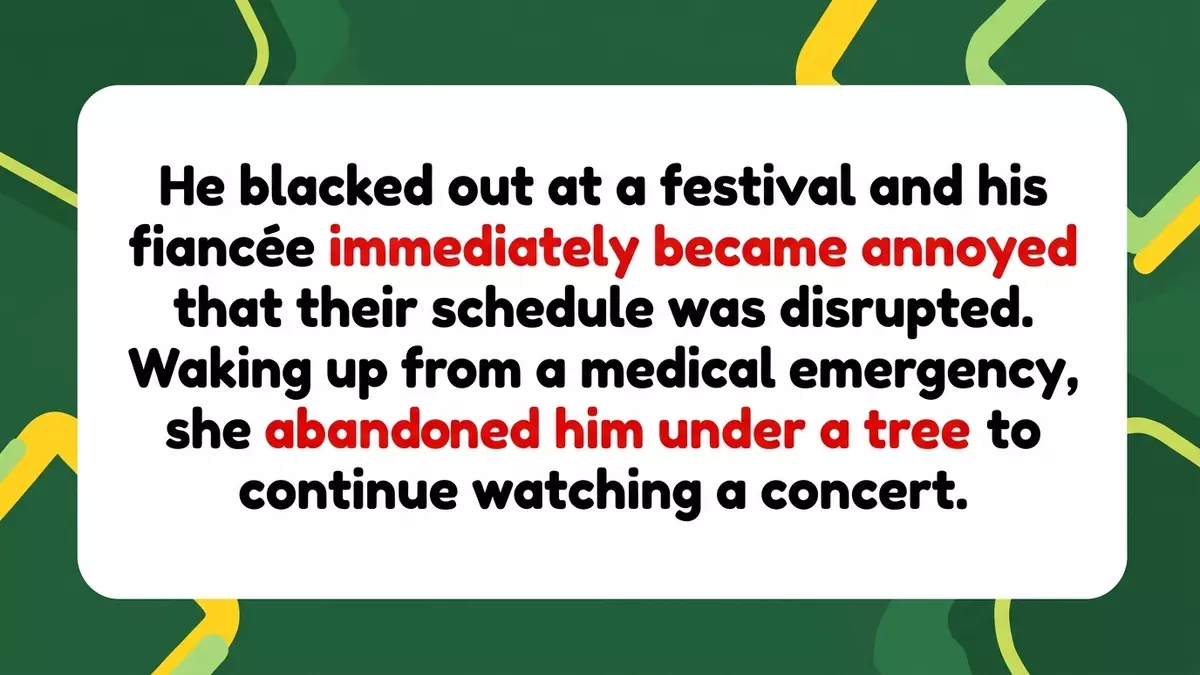
Waking up from a sudden blackout only to find your partner of five years looking annoyed rather than terrified is a deeply isolating experience. In any long-term partnership, how a couple handles sudden vulnerability is a major predictor of future marital success.
Understanding Caregiving Mismatch
This scenario highlights a painful psychological dynamic known as caregiving mismatch. This occurs when one partner’s physical vulnerability or illness is met with emotional withdrawal, frustration, or resentment instead of active, compassionate care.
According to psychological frameworks on adult attachment theory, a partner’s responsiveness during a personal crisis is the ultimate test of emotional safety.
When a partner explicitly prioritizes their own entertainment over a loved one’s physical safety, it signals a structural breakdown in the relationship’s core foundation. This isn’t a minor disagreement about weekend plans; it is a profound failure of emotional attunement. Without this alignment, partners quickly begin to feel like they are living with a detached roommate rather than a protective life partner.
[Partner Vulnerability/Crisis] ──> [Attachment Test] ──> [Cold Withdrawal/Resentment] ──> [Total Breakdown of Trust]
The Boiling Point of Lifestyle Resentment
We must also consider the ongoing tension between his homebody nature and her high-energy desire to go out. Over time, recurring arguments about lifestyle differences can breed silent, toxic resentment.
However, using a literal medical emergency to passive-aggressively punish a partner for past disagreements—or simply ignoring their physical distress to avoid missing a concert—is highly destructive. It proves that the partner lacks the capacity for unconditional support when life inevitably gets difficult, which is a non-negotiable trait for any lifelong commitment. It forced the boyfriend to ask a terrifying question: if she cannot care for him during a temporary fainting spell, how will she handle the serious health challenges of aging?
Action Steps for Evaluating a Relationship Crisis
Deciding to call off an engagement after five years is an incredibly heavy choice, especially when a shared home, finances, and years of memories are on the line. If you experience a profound disconnect during a health scare, relationship experts recommend several steps to process the fallout:
1. Establish Physical and Emotional Space
Do not rush into split-second logistical decisions while the adrenaline of the medical event is still fresh. Establish temporary physical space to cool down, rest, and process your individual feelings without the immediate pressure of saving the engagement.
2. Schedule a Structured, Uncluttered Conversation
Initiate a direct conversation focused entirely on expectations during emergencies, ideally guided by a professional couple's counselor. Express exactly how the abandonment felt, using "I" statements: "I felt completely unsafe and unprotected when I woke up and was left alone after losing consciousness."