
Chapter 3
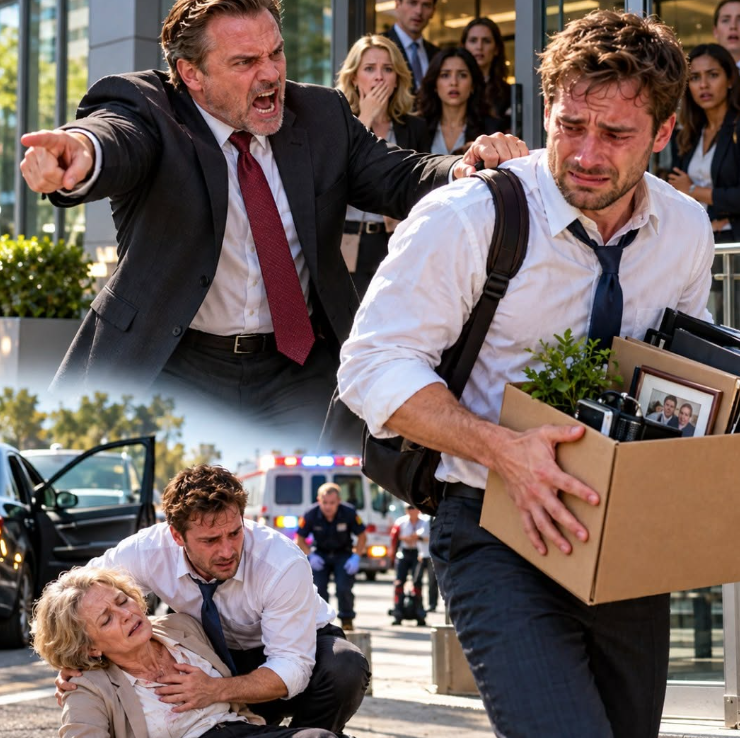
“You did good CPR,” she said, studying me. “The paramedics said so. Most people freeze.”
“I’ve had practice,” I said, and she didn’t ask what I meant.
Room 412. The blinds were half drawn. The woman in the bed looked smaller than I remembered. On the roadside, she had been a blur of a camel-colored coat and silver hair and terrified eyes. Now I could see she was maybe in her late sixties, with sharp cheekbones and the kind of posture that didn’t go away even in a hospital gown. My navy suit jacket was draped over the chair beside her like she’d refused to let anyone take it.
Her eyes opened when I stepped inside.
“There you are,” she said. Her voice was thin but steady. “You have a terrible singing voice.”
I stared at her. “I wasn’t singing.”
“You were counting with a rhythm. It was close enough.” The corner of her mouth lifted. “I’m Margaret.”
“Christopher.”
“I know. It’s on your card.” She lifted a hand weakly toward the chair. “Sit. Please.”
I sat. For a moment neither of us said anything. The heart monitor beeped steadily, and I realized I’d been holding my breath, listening to make sure it didn’t stop.
“I remember you saying something,” she said. “Right before everything went dark. You said, ‘Don’t you dare. My girls are waiting on me, and I’m not leaving you here.’”
I didn’t remember saying it. But it sounded like something I would say.
“I have two daughters,” I said.
“And you were late for something important. I remember that too. You kept looking at your watch while you were on the phone with the dispatcher.”
I laughed, and it came out wrong. “I was late for the most important meeting of my career. I got fired about forty minutes after the ambulance left.”
Her face changed. The softness drained out of it, replaced by something hard and focused.
“Fired,” she repeated.
Before I could answer, the door swung open. A man in his late thirties strode in carrying a coffee and a phone, wearing an expensive quarter-zip and the expression of someone who hadn’t slept.
He stopped dead when he saw me.
“Who are you?”
“Daniel,” Margaret said. “This is the man who saved my life.”
Daniel looked me up and down, slowly. Not grateful. Suspicious. “Right. And how much is that going to cost us?”