
Chapter 4
There it was. The sentence I’d heard for three years.
You wouldn’t understand.
I had graduated third in my class at Georgetown Law. I had turned down a clerkship because his mother said a Prescott wife shouldn’t “work like a paralegal.” I had read every contract Prescott Global’s foundation signed, quietly fixing clauses their lawyers missed.
I understood more than he ever imagined.
“Then don’t explain,” I said. “Have your attorney call Nathan Brooks.”
His face hardened. The panic drained out of it and something colder replaced it—something that looked very much like his father.
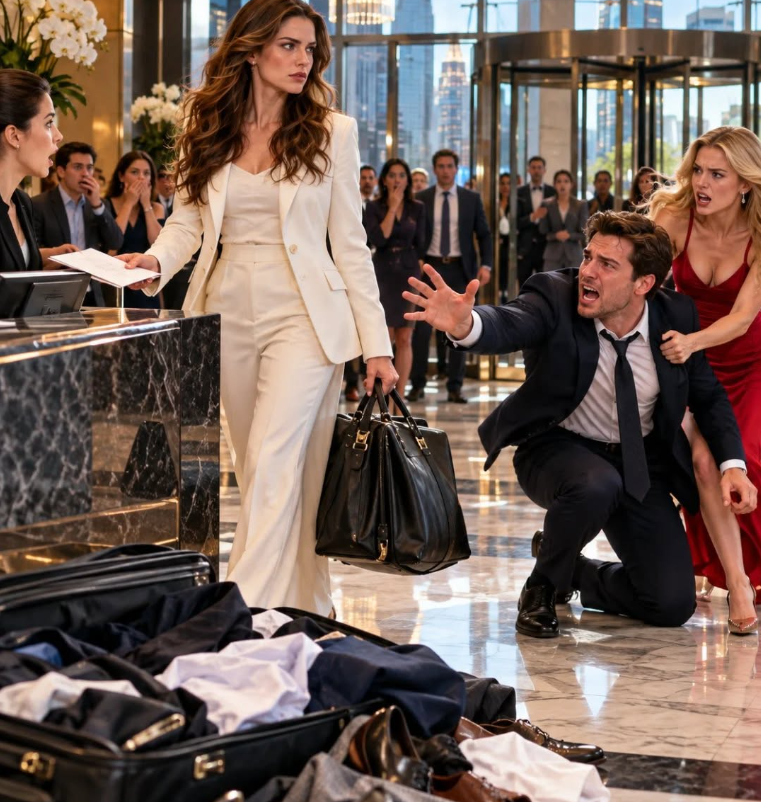
“You really want to do this? Fine. You signed a prenup, Claire. You walk away with what you came in with. And what did you come in with? A used Honda and student loans.” He laughed, a short, ugly sound. “Dad’s lawyers will make sure you leave with less than that. You have nothing without me.”
I studied him for a long moment—the man I had once loved enough to make myself smaller for.
“Goodnight, Aaron.”
I went inside and locked the door.
Through the window, I watched him stand on the lawn for a full minute before he got into his car.
My phone buzzed. Nathan.
“Claire, I just got off the phone with a friend who sits on a nonprofit board with one of Prescott Global’s directors.”
“And?”
“There’s an emergency board meeting this Friday. The agenda has one item.” He paused. “A vote to name Aaron Prescott chief executive officer when his father moves to chairman emeritus.”
My heart began to pound.
“Richard needs a majority,” Nathan said. “The family has thirty-eight percent. The outside investors are split almost evenly. Which means the deciding vote—”
“—is the twenty-four percent he’s never seen vote,” I whispered.
“Claire. Whoever controls Hale Ridge’s vote decides whether your husband runs that company.”
PART 3
Hale Ridge Capital didn’t look like a company that owned a quarter of anything.
It occupied the top floor of a converted brick textile mill on the river, with creaky wood floors and a coffee machine older than me. My grandfather, Walter Hale, had hated glass towers. He used to say marble lobbies were where people went to pretend they weren’t nervous.
Margaret Lin met me at the elevator.
She was sixty-eight, silver-haired, and had been my grandfather’s managing partner for thirty-one years. At his funeral, she had held my hand through the whole service and never once asked me for anything.