
Chapter 20
I spent seven years letting someone else decide who I was, he wrote. I don’t want to spend the next seven pretending it wasn’t my choice. You were right, Mara. Asking would have cost me something. I’m finally willing to pay.
Justice didn’t come all at once. It came the way real justice usually does: slowly, with paperwork.
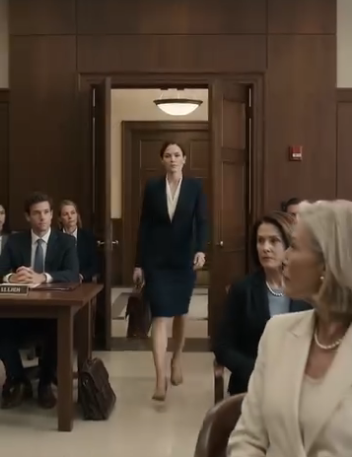
In March, Ruth Ellison pleaded guilty to forgery in the first degree, identity theft, and conspiracy to commit bank fraud. The prosecutors added the 2005 credit line in Claire’s name; the statute of limitations had expired, but the judge allowed it at sentencing. Claire read a statement in court. She didn’t cry. She simply described the house she and her husband never got to buy, and the twenty years her mother had made her believe nobody would listen.
Ruth was sentenced to six years in state prison and ordered to pay full restitution.
Frank cooperated from the beginning. Ellison Holdings entered bankruptcy, and Frank sold the Greenwich house to repay Coastal Atlantic Bank. He received five years of probation and lost nearly everything he owned. People said he looked relieved.
Gloria Haynes surrendered her notary commission and testified against Ruth in exchange for a reduced charge. She wrote Mara a handwritten apology on garden club stationery. Mara wrote back. She didn’t need to forgive Gloria to understand how a lonely woman could be flattered into doing something terrible for a friend.
Stephen Calder was investigated by the Statewide Grievance Committee. They found he had not known about the forgery, but he had filed the sanctions motion without reasonable inquiry. He was publicly reprimanded.
Andrew received a suspended sentence, three years of probation, and five hundred hours of community service. His cooperation, the judge said, had been “genuine and costly.” He moved into a studio apartment in New Haven and got a job managing a hardware store. He sent Walter Pierce a check for sixty-eight thousand dollars—money from the sale of his watch collection and his car. Walter returned it with a short note: Keep it, son. Spend it becoming a better man.
Andrew called Mara to tell her about the note. They talked for nearly an hour. It was the longest honest conversation they’d ever had.
They didn’t get back together. That wasn’t the ending either of them needed.
But when the divorce was finalized in April, they signed the papers in the same room, on the same day, with their own hands. Andrew signed with his bandage finally gone, the skin on his palm still pink and tender.