
Chapter 12
“Grant will be in a room full of witnesses with a perfect alibi,” Marcus said. “And when that money vanishes, the only name on the transfer will be Chloe’s.”
PART 7
Courtroom 4B of the Davidson County Chancery Court smelled like old paper and floor polish. Judge Patricia Langford was a small, sharp-eyed woman with silver hair and no patience for theatrics.
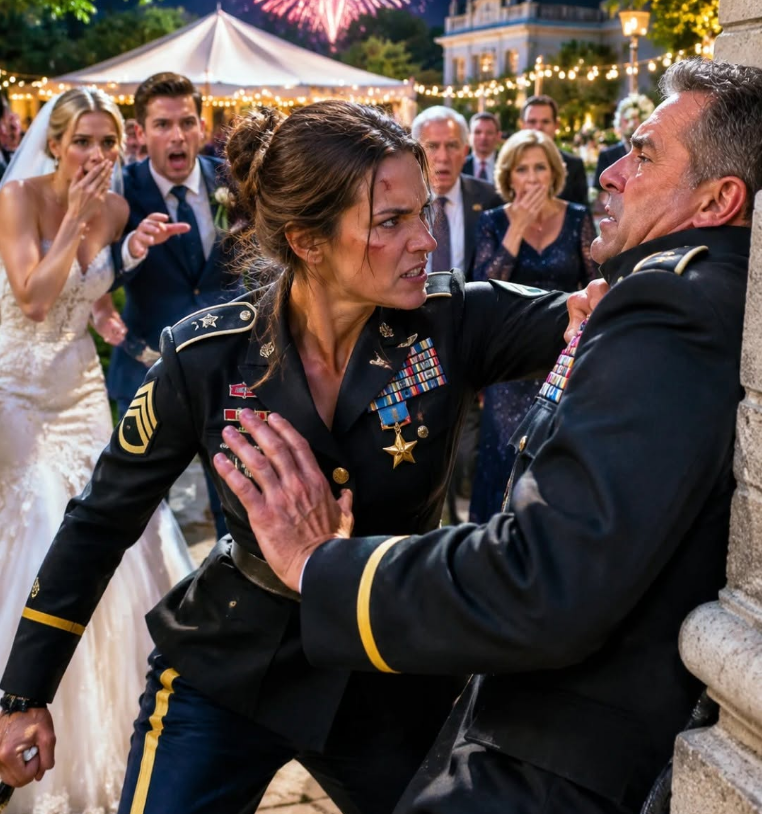
Lyle Danner had plenty of theatrics. He described me as “a deeply traumatized woman with documented episodes of irrational behavior.” He read aloud from the affidavit about the fireworks: me “crawling in the mud, screaming, terrifying guests.” He waved my private counseling records like a confession.
Ruth Abernathy let him finish. Then she rose slowly, smoothed her skirt, and asked a single question.
“Mr. Danner, how did you obtain my client’s confidential Veterans Affairs medical records?”
Danner hesitated. “They were... provided to the family.”
“By whom?”
“I’d prefer not to—”
Judge Langford took off her glasses. “Counsel, you’ll answer the question or I’ll be making a referral to the Board of Professional Responsibility before lunch.”
He didn’t answer. The judge wrote something down.
Ruth called me to the stand. I didn’t talk about Kandahar. I talked about my job: six hundred soldiers, sixty million dollars in equipment, the safety of my people every single day. I explained that I’d been cleared by Army medical boards, that I sought counseling because that’s what strong leaders do, and that I’d led soldiers through two more deployments since.
Then Colonel Whitmore testified, and his voice broke only once.
Finally, Ruth played a video. My grandfather, recorded two years ago in this very building, sitting beside a neurologist who certified on camera that he was of sound mind. Grandpa looked straight at the lens.
“My name is Walter Harlan. I know exactly what I’m doing. My granddaughter Jody is the finest person this family ever produced. She’s spent her life disarming things that would kill other people. I trust her to do the same for my company.”
The courtroom was very quiet.
At 4:41 p.m., Judge Langford dissolved the restraining order, denied the petition, and recognized the Sentinel Trust as valid. At 5:12, sitting in a conference room down the hall, I signed a written shareholder consent as majority owner of Harlan Holdings. It suspended Grant’s financial authority, froze all outgoing transfers from the pension accounts, and called an emergency board meeting. Marcus walked the documents straight to the bank’s legal department, then made one more call, to an FBI special agent named Lena Ortiz, who had quietly been building a case for weeks.