
Chapter 22
The calf took it gently.
“Told you,” Lily said, grinning back at Walt. “Apples.”
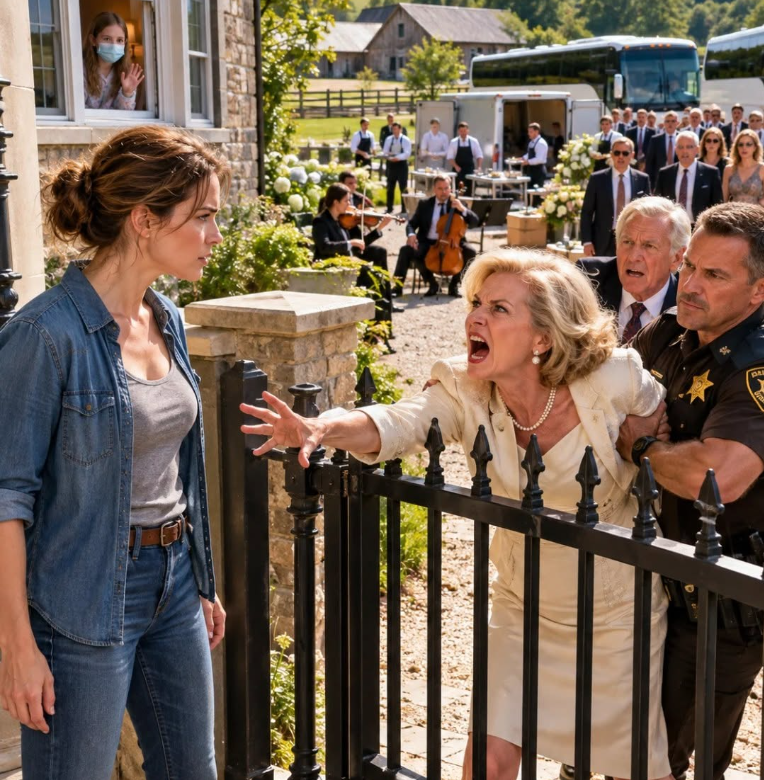
I stood at the fence and looked back at the farmhouse—at the porch I’d rebuilt, the windows I’d reglazed, the upstairs bedroom where my daughter had once stood behind glass in a mask while her grandmother called her a problem.
That evening, after everyone left, I found a letter in my mailbox. The return address was the county detention center. My mother’s handwriting.
I didn’t open it. I didn’t throw it away, either. I put it in Grandma’s recipe box, behind the card for apple butter, where I’d found the note that saved us.
Maybe someday I’ll read it. Maybe someday she’ll have learned something worth saying. That door isn’t locked forever. But it’s mine to open, in my own time, on my own terms.
Because here’s what I’ve learned:
Family isn’t the people who claim your house. It’s the people who guard your door.
Love isn’t measured by how loudly someone demands a place at your table. It’s measured by who shows up at two in the morning, who sells the boat without telling anyone, who stands in their pajamas in the cold between a locksmith and your daughter’s room.
And self-respect isn’t selfish. Sometimes the most loving word a person can say is no.
My grandmother knew that. She wrote it on an index card and hid it in a recipe box for me to find.
Don’t let her make you feel small. You never were.
Lily is fourteen now. Her hair is long and wavy, and she wants to be an oncology nurse. Every Sunday, she still beats Aunt Denise at gin rummy.
And every spring, under the old oak tree, we throw a party.
The gate is always open.
But we choose who comes through it.
THE END