
Chapter 4
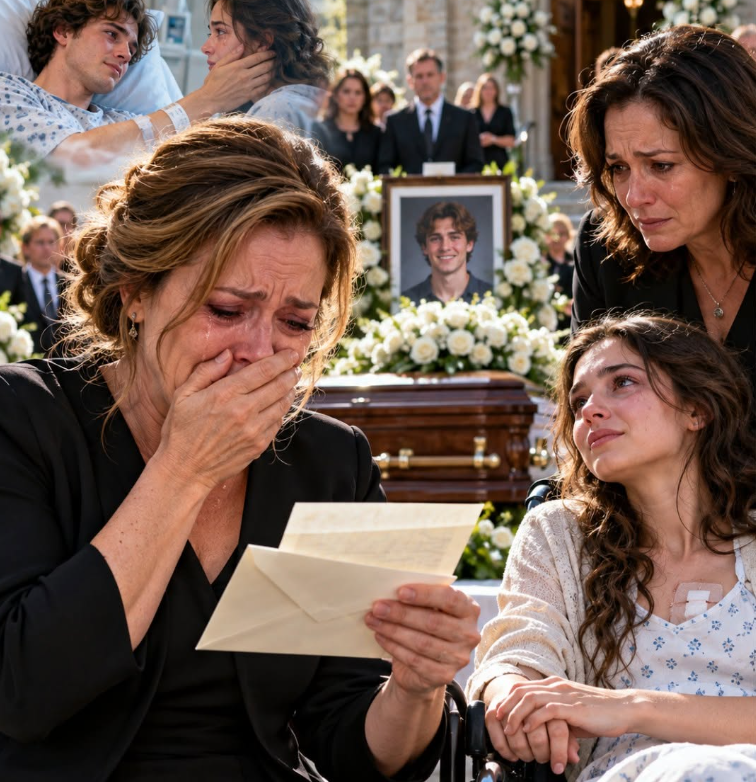
Another came at Easter. Another on Thomas’s birthday. Another the following January, on the anniversary. Every few months for years, there was another envelope, and every time, I sent it back unopened.
I told myself I was protecting Lucas. The truth was uglier. I was protecting the only thing grief had left me: someone to blame. As long as that family stayed faceless, I could hate them quietly, without guilt. If I opened even one of those letters, they would become people. And then I would have nothing to be angry at but God, and I wasn’t brave enough for that.
Eventually, the letters stopped. I assumed they had given up.
And now my son had given that same girl his heart.
I felt betrayed. Not by Lucas—I could never be angry at him for long—but by the whole universe. It felt like some cruel joke. My husband and my son, both gone, both for the same girl. What was I supposed to be? The woman who kept paying the price for a stranger’s daughter?
My phone rang around ten. Unknown number. I let it ring.
It rang again at noon. And again at four.
Finally, I listened to the voicemail.
“Mrs. Carter, this is Hannah Reyes. I’m Grace’s mother. I’m so sorry to bother you. I know this is the worst time in your life. I just—Grace keeps asking about you. She wanted me to tell you that she’s awake, and that the doctors say the heart is strong. She said to tell you…” There was a pause, and I heard her voice crack. “She said to tell you it beats a little fast when she laughs, just like Lucas said it would. I’m sorry. I’ll stop calling. Please take care of yourself.”
I deleted the message.
Then I sat on the bathroom floor and cried until there was nothing left.
The days blurred together after that.
Friends brought casseroles that I didn’t eat. My sister called from Arizona and offered to fly out, and I told her I was fine. I went back to my job at the dental office, but I kept losing my place in the middle of sentences. On my third day back, my manager gently suggested I take more time off. Unpaid, of course.
That was when the real fear began to creep in.
I had spent nearly everything on Lucas’s treatments. The car was gone. My savings were gone. The gold my mother had left me—the bracelets she wore on her wedding day, the ones I had promised myself I would give to Lucas’s bride someday—were sitting in a stranger’s display case downtown.