
Chapter 20
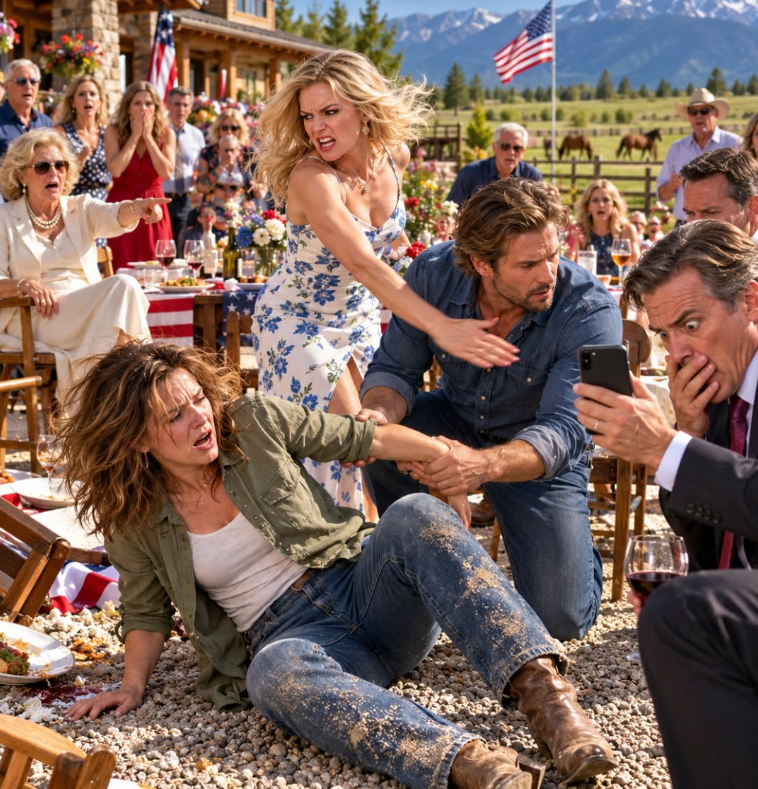
“You know what I saw?” he said. “Last year. When you were sitting on that gravel?”
“What?”
“I saw the toughest woman I’ve ever met, deciding whether her family was worth saving. And then deciding they were.” He kissed my temple. “Option two wasn’t about blowing anything up, Nora. It was about clearing the ground. Like the fire.”
I leaned my head against his shoulder and watched the kitchen light until it finally went out.
There’s a lot I could tell you about what happened after that summer. How Suzanne finished her year of counseling and kept going because she wanted to. How she started a small business helping local ranchers market their beef directly to restaurants, using every bit of her old sales talent for something real. How she paid off her last debt two years later and drove out to the ranch with a bottle of sparkling cider to celebrate.
How my mother learned to drive the feed truck at seventy-six, because she said she was tired of watching from the porch. How she took over the calving records on Dad’s old yellow legal pads, and how her handwriting, neat and sharp, slowly filled the pages his blocky letters had left behind.
How Dale Ferris went to work for his sister at the land trust and helped protect eleven more family ranches in the next five years.
How Wade and I finally took our first vacation in twenty-two years, a week on the Oregon coast, and spent the whole time wondering if the water tanks were full.
But mostly, I want to tell you this.
If you are the one who’s been quietly feeding the calf while someone else takes the ribbon—if you’ve been swallowing your words to keep the peace, and the peace keeps costing you more—I want you to know that your work matters. It always mattered. And someone is watching, even if it’s only the land itself, or the people who love you enough to hand you a hand up off the gravel.
You don’t have to burn anything down to be seen.
But you are allowed to stand up.
And sometimes, when you finally do, the people who walked past you will turn around, cross the yard in their cream sandals or their borrowed boots, and meet you halfway.
That’s what happened to me.
My name is Nora Callahan Pike. I’m fifty years old. I raise cattle on four thousand acres in central Montana, on land my great-grandfather homesteaded and my father protected and my family, finally, learned to share.