
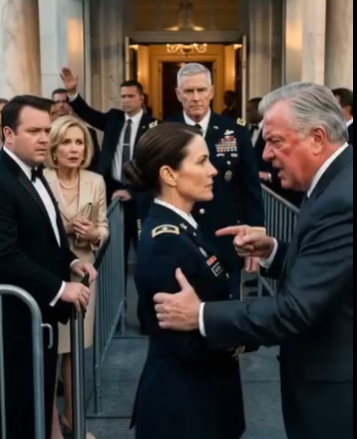
Chapter 16
Nathan Pierce moved fast. By Wednesday, a forensic document examiner had compared the 2001 renunciation to my actual signatures from that year, on my Army officer evaluations, my Korean base housing lease, my marriage license. The forged signature had been traced, almost perfectly, from my ROTC scholarship acceptance letter. A letter only one household in America had ever had a copy of.
The notary listed on the document had surrendered her commission in 2004 after an investigation into irregularities. Her largest private client, according to state records, had been Evelyn Cross Mercer.
By Thursday afternoon, a Fairfax County judge had issued an emergency order voiding the renunciation. An independent trustee from a Richmond bank, a retired Navy JAG officer named Gregory Shaw, accepted voting control of the shares.
“I’ll be at that board meeting tomorrow,” Nathan told me over the phone. “And so will thirty percent of the company.”
For the first time in days, I let myself breathe.
That night, Daniel grilled burgers in the backyard while Ethan, home on a long weekend, told terrible jokes about his calculus professor. For an hour, life felt almost normal. I watched my husband flip patties with a spatula he’d owned since basic training and thought, This. This is what I fought for. Not stars. This.
At 9:40 p.m., Ethan’s phone buzzed. Then mine. Then Daniel’s.
Ethan looked up from his screen, the color draining from his face.
“Mom,” he said. “You need to see this.”
The headline was splashed across the homepage of a major national news site.
EXCLUSIVE: Army General Accused of Secret Vendetta Against Father’s Defense Firm
Beneath it were screenshots. Emails, supposedly from my official Pentagon account, sent to two members of the Sentinel evaluation panel. Dated a week before the White House ceremony.
Mercer Tech cannot be allowed to win this. Find a reason. Whatever it takes. —KH
I stared at the words. They were in my name. My signature block. My office phone number.
I had never written them.
My phone rang. General Vance.
“Kate.” His voice was flat and careful, the voice of a man standing in front of people who were listening. “The Secretary of the Army has asked that you voluntarily step back from your nomination until this is resolved. The Senate Armed Services Committee chairman is already calling for hearings.”
“Sir, I didn’t write those emails.”
“I believe you. My believing you doesn’t matter right now.” He paused. “You’ve got a reporter with a story, two panel members who’ve been put on administrative leave, and a Senate committee that smells blood. If those emails stand, you won’t just lose a third star. You could lose your career.”