
Chapter 20
He hesitated. Then he grinned, a little shy.
“My dad and I were talking. We were wondering if you’d come to Thanksgiving this year. Grandpa’s moving down to a VA home in Clarksville so he can be closer.” He cleared his throat. “My kids don’t have a grandmother on my side anymore. And honestly, Ma’am, neither do I.”
For a moment, I couldn’t speak.
Walter and I never had children of our own. For thirty-one years, I took care of other people’s kids at Byrns Darden Elementary, and every June they grew up and moved on. I had made peace with a quiet little yellow house and a quiet life.
I hadn’t known how lonely I’d become until a loud young man called me Grandma in front of two hundred soldiers.
“I’ll bring the pie,” I said.
He laughed, and his eyes were wet.
“Hey, Grandma,” he said, very softly this time. And this time, it was love.
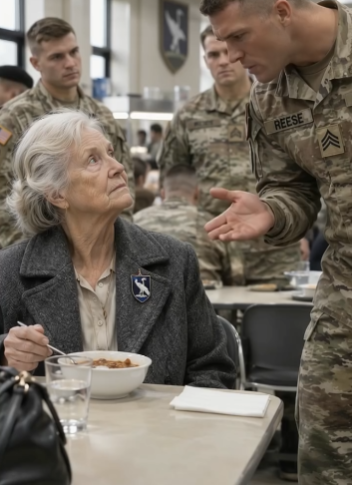
Across the table, Raymond lifted his spoon and caught my eye. He looked at the brass heron on my coat, then up at the wall, then back at me. Fifty-seven years ago, in the rain, he had walked into the dark so that I would not be alone.
I’m not alone anymore.
People ask me what I learned from all of it. I tell them this:
Never decide what another person has earned until you know their story. The quiet old woman in the corner, the grumpy grandfather in the nursing home, the young man who made one terrible mistake — every one of them is carrying something you can’t see.
Dignity isn’t something anyone can give you, and it’s not something anyone can take away. You keep it by refusing to let fear make your choices.
And family isn’t only blood. It’s the people who stay when the helicopters leave. The ones who walk through the dark for you. The ones who come back, ashamed, and knock on your door.
Above the counter, the big blue letters still say what they’ve always said.
WE CARRY OUR OWN.
Now, at last, everyone who walks beneath them knows what those words really mean.